Oral Cancer Diagnosis Using Histopathology Images: An Explainable Hybrid Transformer Framework
by  ,,, and
Francis Rudra D Cruze
1,Jeba Wasima
2,Md. Faruk Hosen
2,3,Mohammad Badrul Alam Miah
3,*,Zia Muhammad
4 andMd Fuyad Al Masud
5,*1
Department of Computer Science and Engineering (CSE), East West University, Aftabnagar, Dhaka 1212, Bangladesh
2
Department of Computing and Information System (CIS), Daffodil International University, Savar, Dhaka 1216, Bangladesh
3
Department of Information and Communication Technology (ICT), Mawlana Bhashani Science and Technology University, Santosh, Tangail 1902, Bangladesh
4
Department of Computing, Design, and Communication, University of Jamestown, Jamestown, ND 58405, USA
5
Department of Electrical and Computer Engineering, North Dakota State University, Fargo, ND 58102, USA
*
Authors to whom correspondence should be addressed.
Technologies 2026, 14(1), 39; https://doi.org/10.3390/technologies14010039
Submission received: 22 November 2025 / Revised: 12 December 2025 / Accepted: 16 December 2025 / Published: 5 January 2026
(This article belongs to the Special Issue Application of Artificial Intelligence in Medical Image Analysis)
Abstract
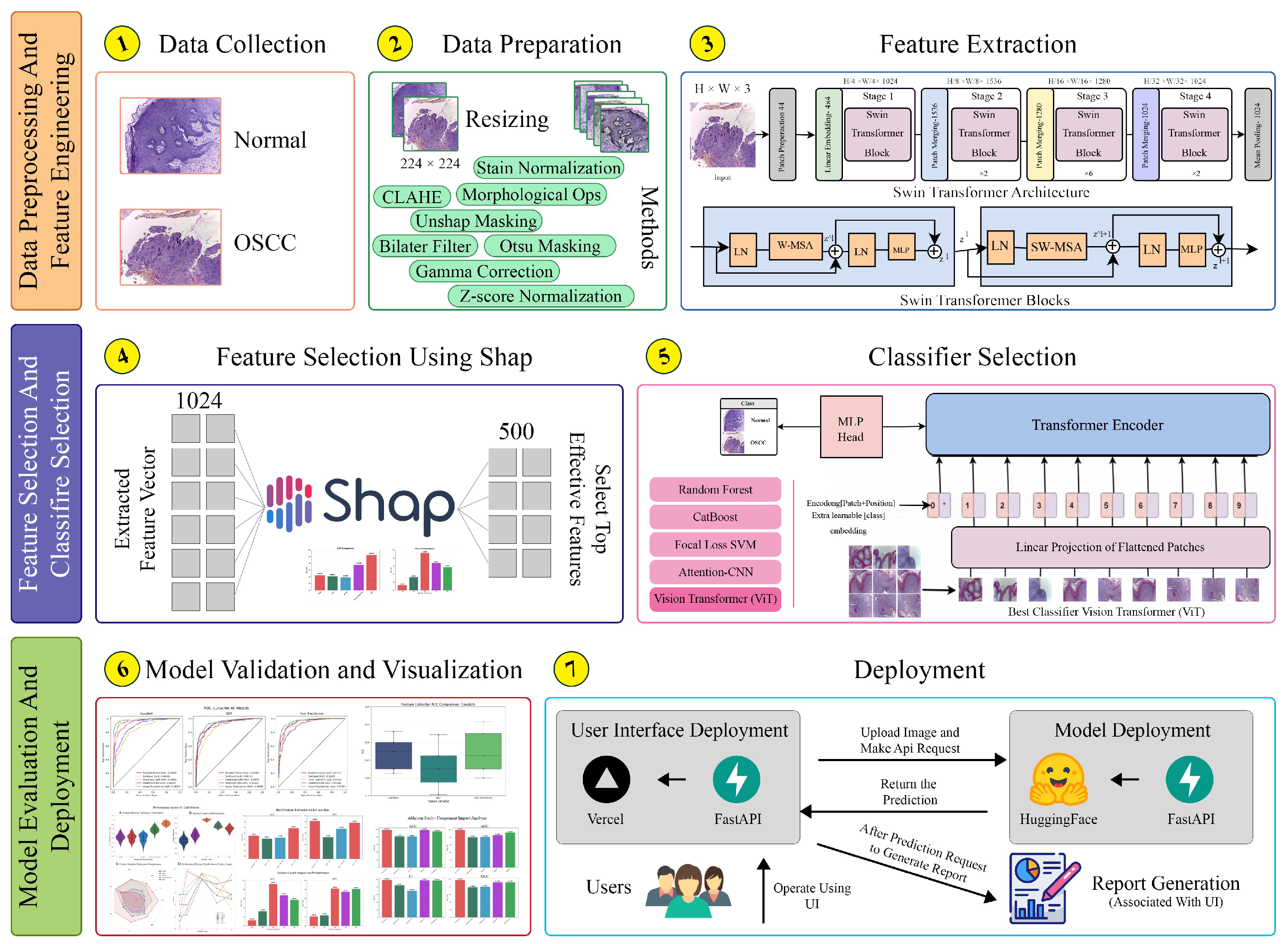
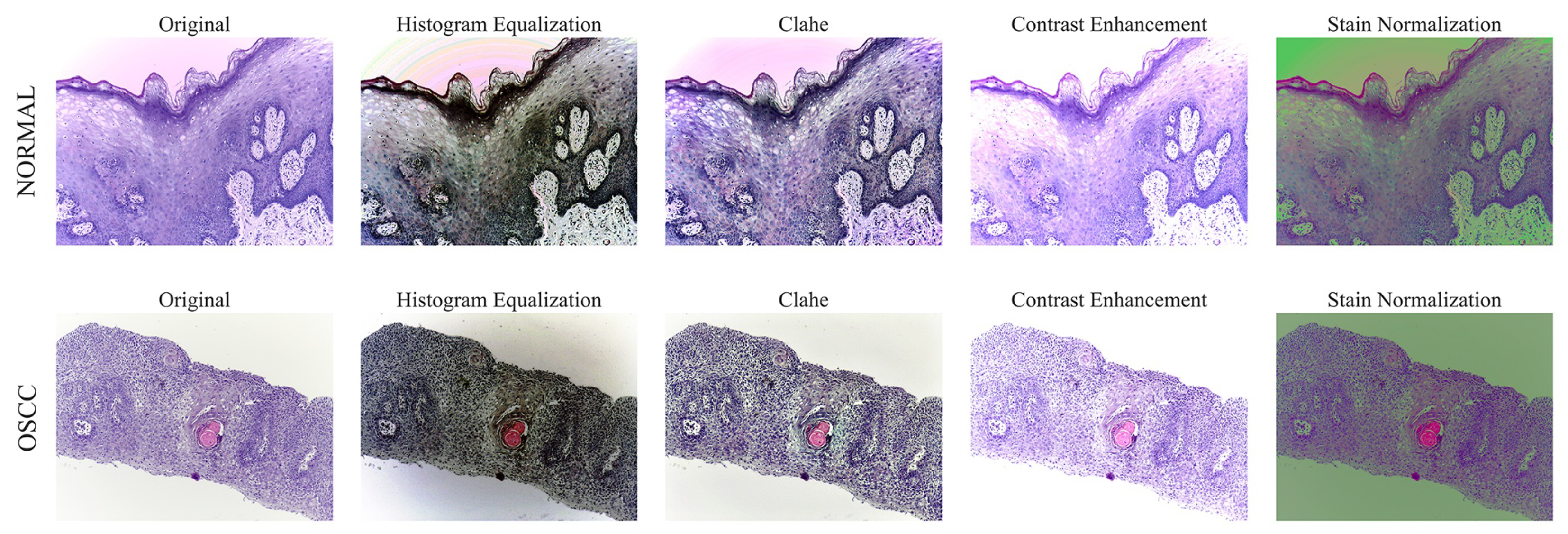
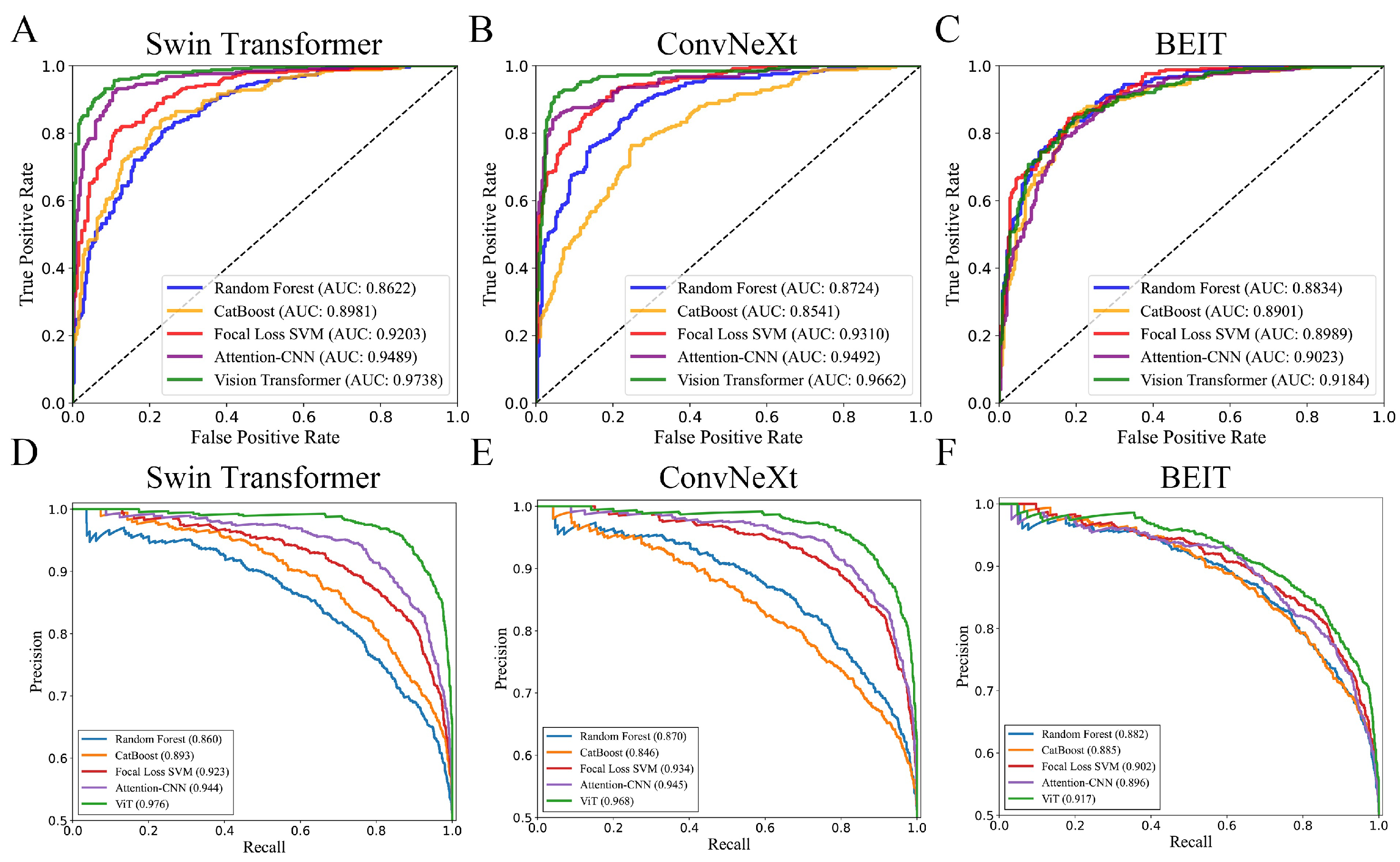
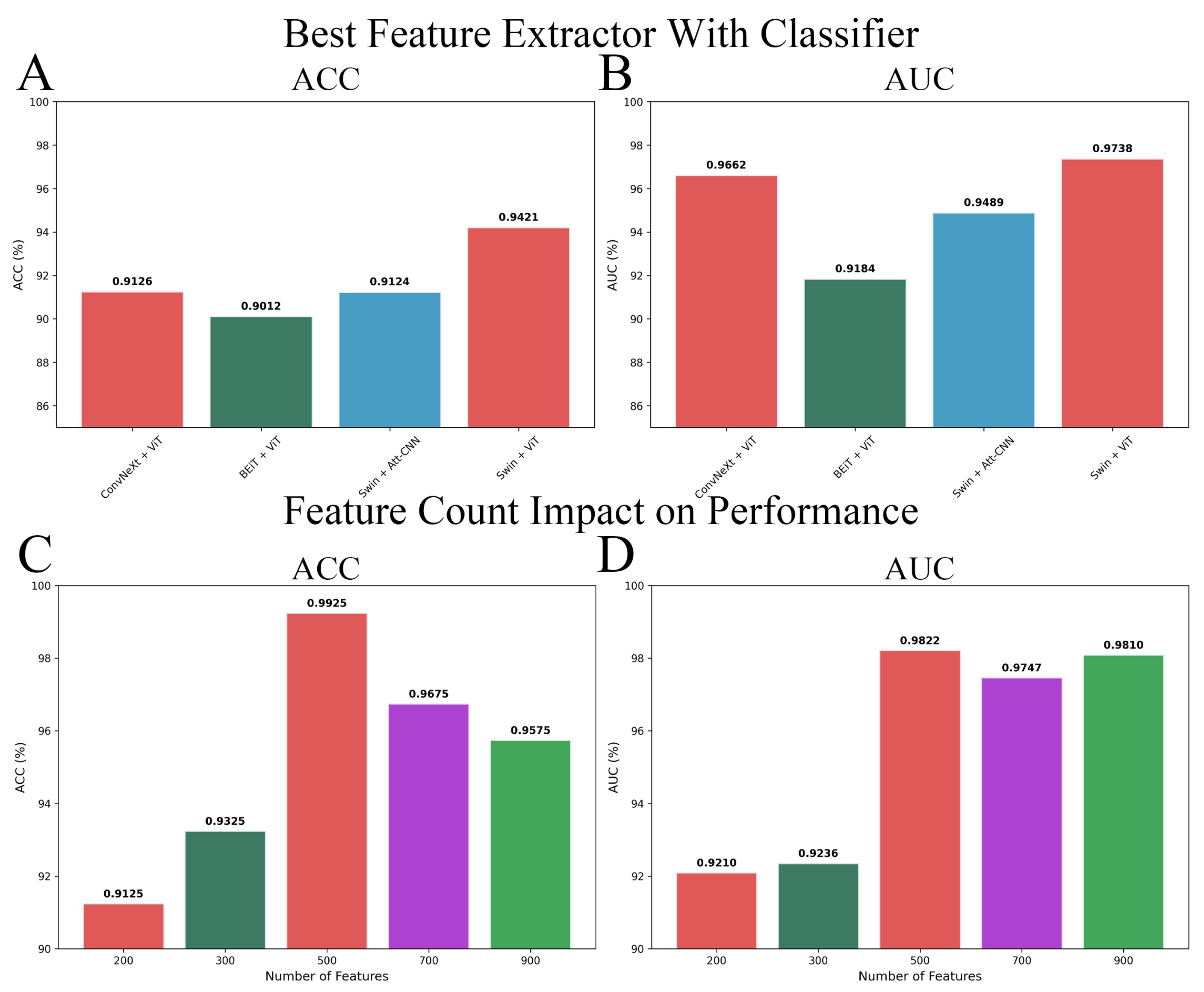
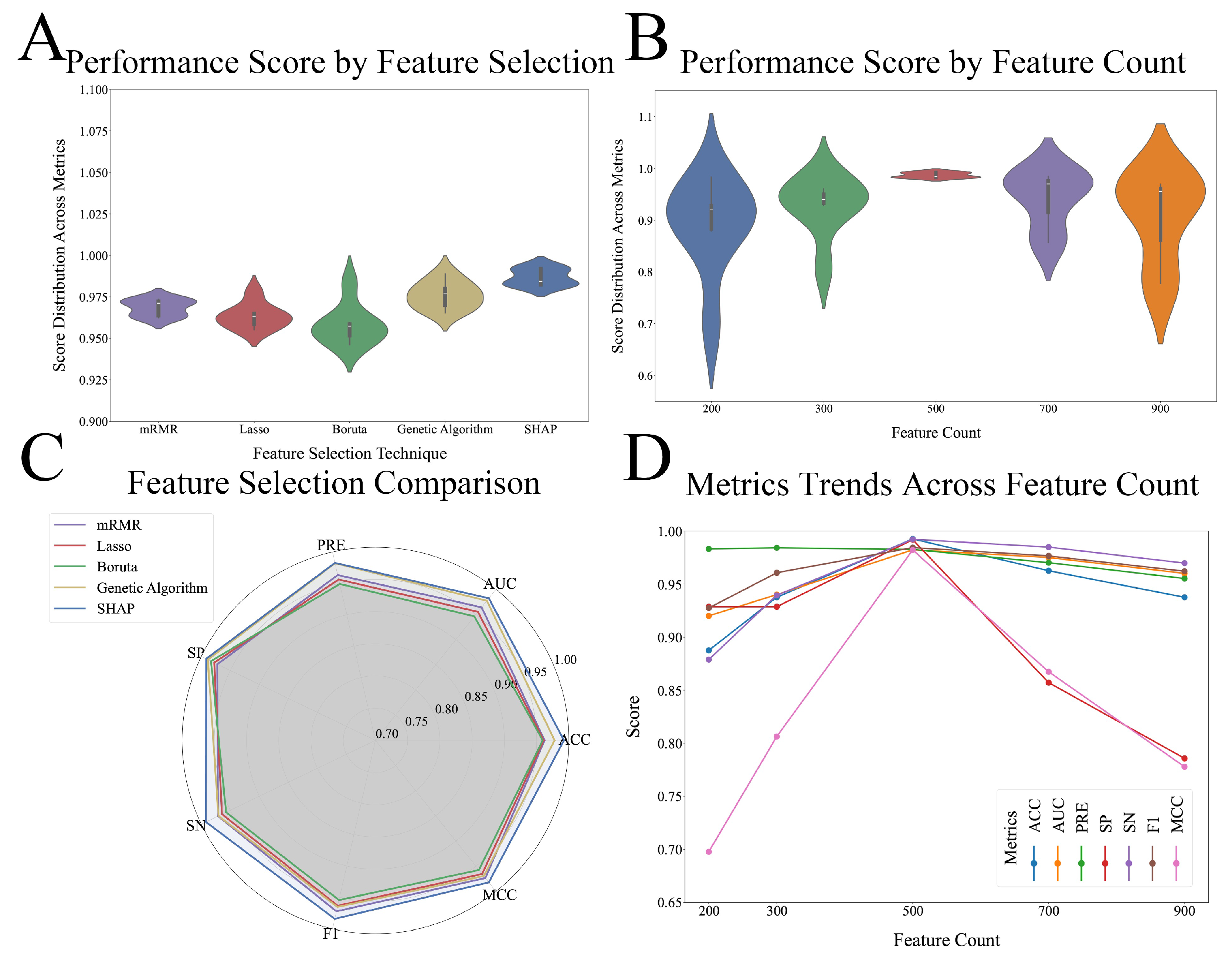
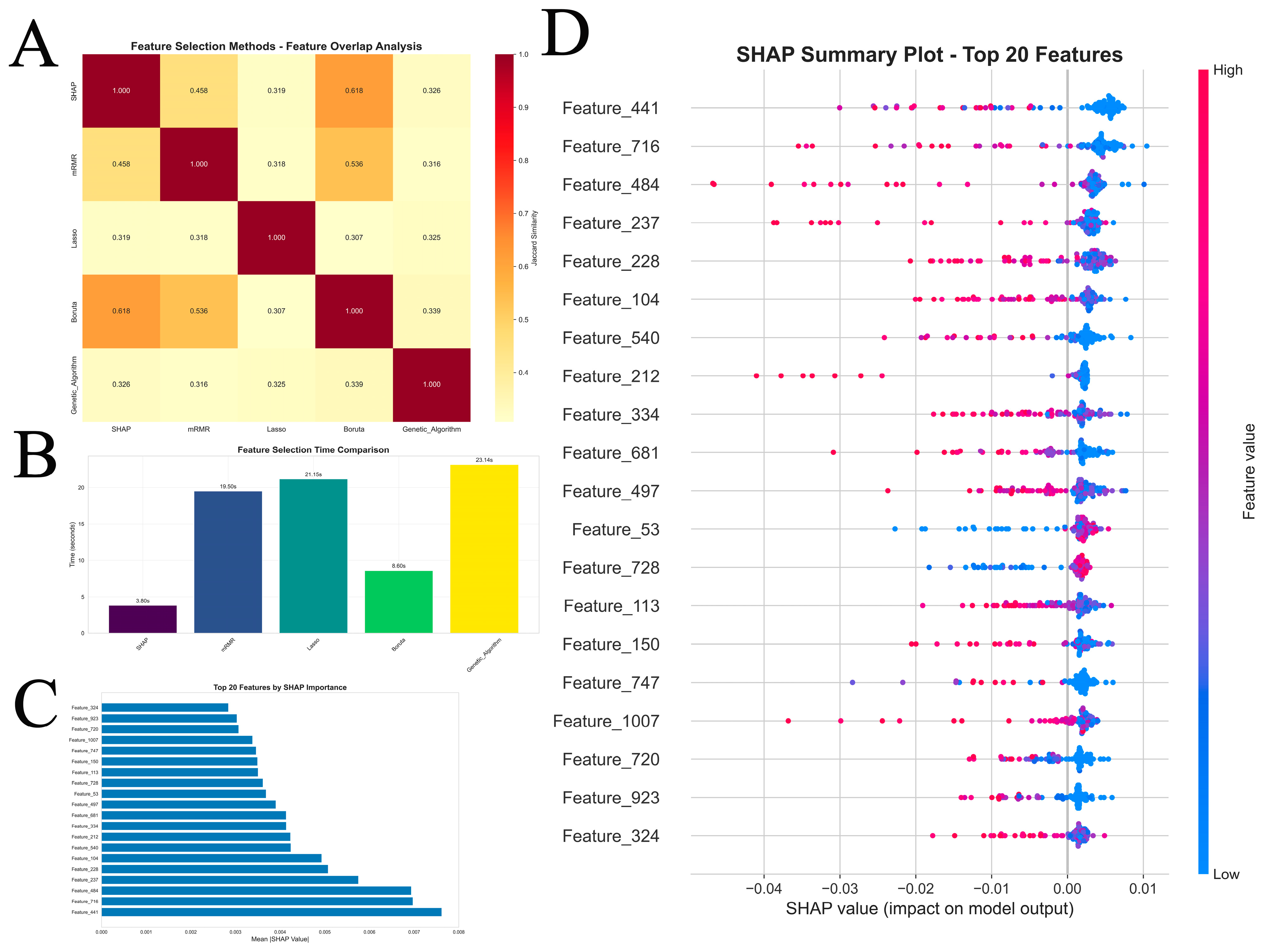
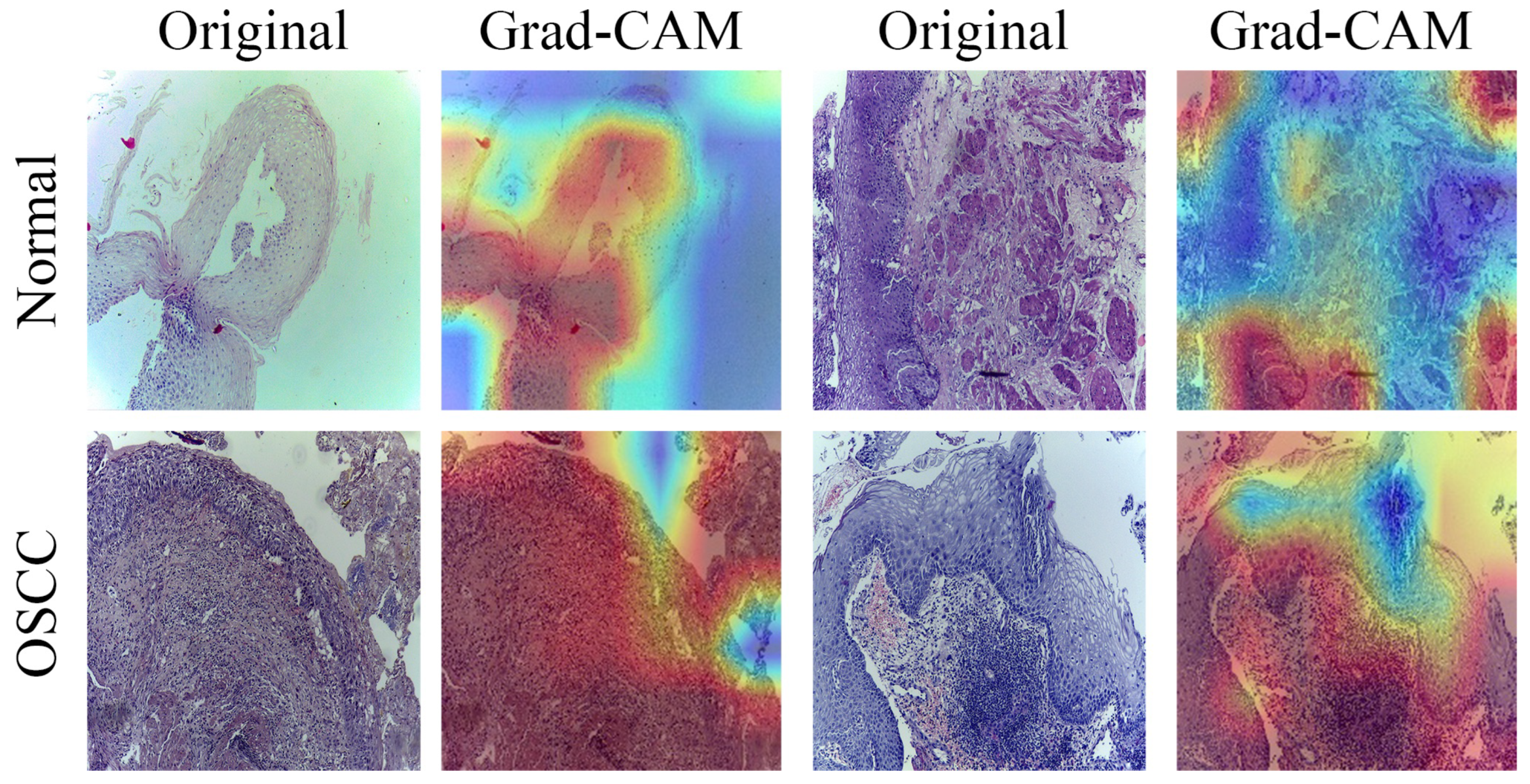
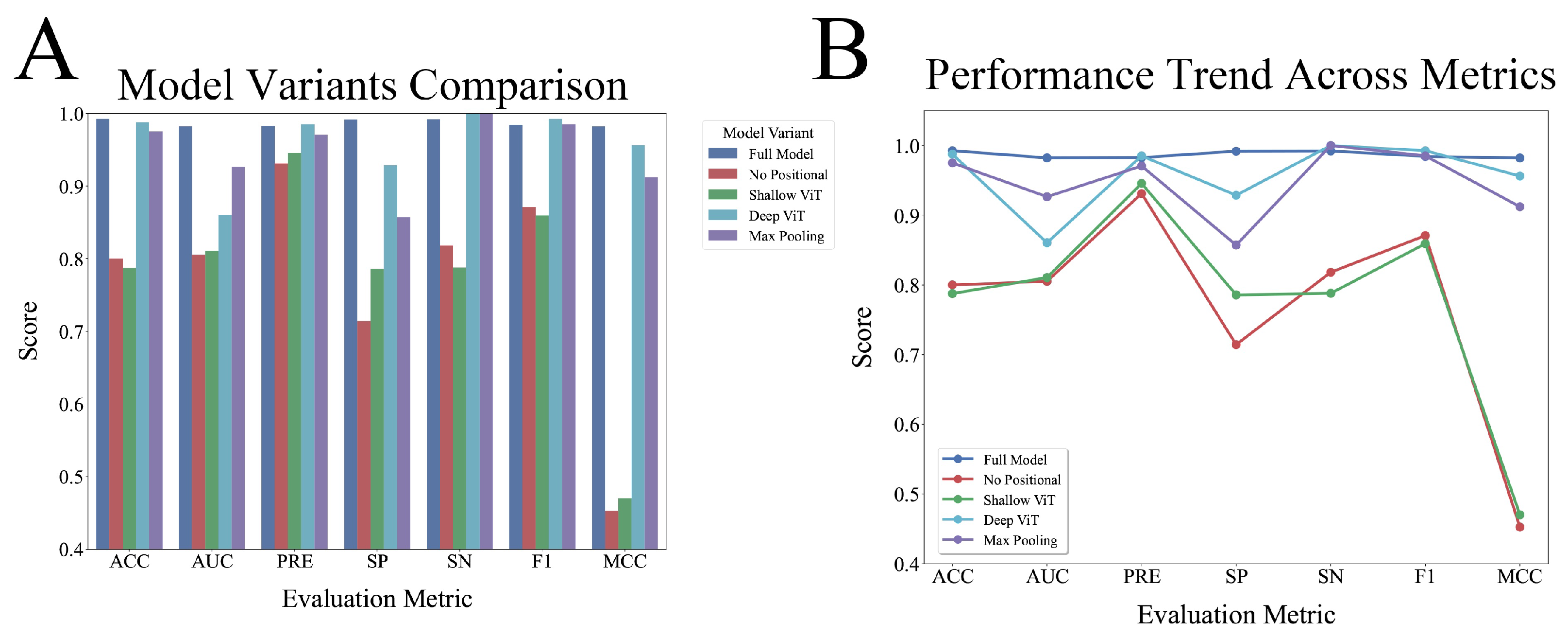
Oral cancer (OC) remains a major global health concern with survival often limited by late diagnosis. Early and accurate detection is essential to improve patient outcomes and guide treatment decisions. In this study we propose a computer aided diagnostic (CAD) framework for classifying oral squamous cell carcinoma from histopathology images. The model combines Swin transformer for hierarchical feature extraction with vision transformer (ViT) to capture long range dependencies across image regions. SHapley Additive exPlanations (SHAP) based feature selection enhances interpretability by highlighting the most informative features while preprocessing steps such as stain normalization and contrast enhancement improve model generalization and reduce sample variability. Evaluated on a publicly available dataset the framework achieved 99.25% accuracy (ACC) 99.21% sensitivity and a matthews correlation coefficient (MCC) of 98.21% outperforming existing methods. Ablation studies highlighted the importance of positional encoding and statistical analyses confirmed the robustness and reliability of results. To support real-time inference and scalable deployment the proposed model has been integrated into a FastAPI-based web application. This framework offers a powerful interpretable and practical tool for early OC detection and has potential for integration into routine clinical workflows.